The spam landscape has changed dramatically. Here's what the numbers show for 2024 (data from the U.S. Federal Trade Commission).
Key Statistics for 2024
Volume of Spam
While exact global spam text volume is hard to quantify, U.S. consumers receive billions of unwanted texts annually. Text message open rates reach up to 98%, making SMS a prime target for scammers.
Financial Impact
- Reported losses to text scams: $470 million (more than 5x the 2020 figure)
- Total reported fraud losses (all types): $12.5 billion
- Percentage of text scam reports involving losses: 11% (up from 5% in 2020)
Most Common Attack Types (U.S.-focused)
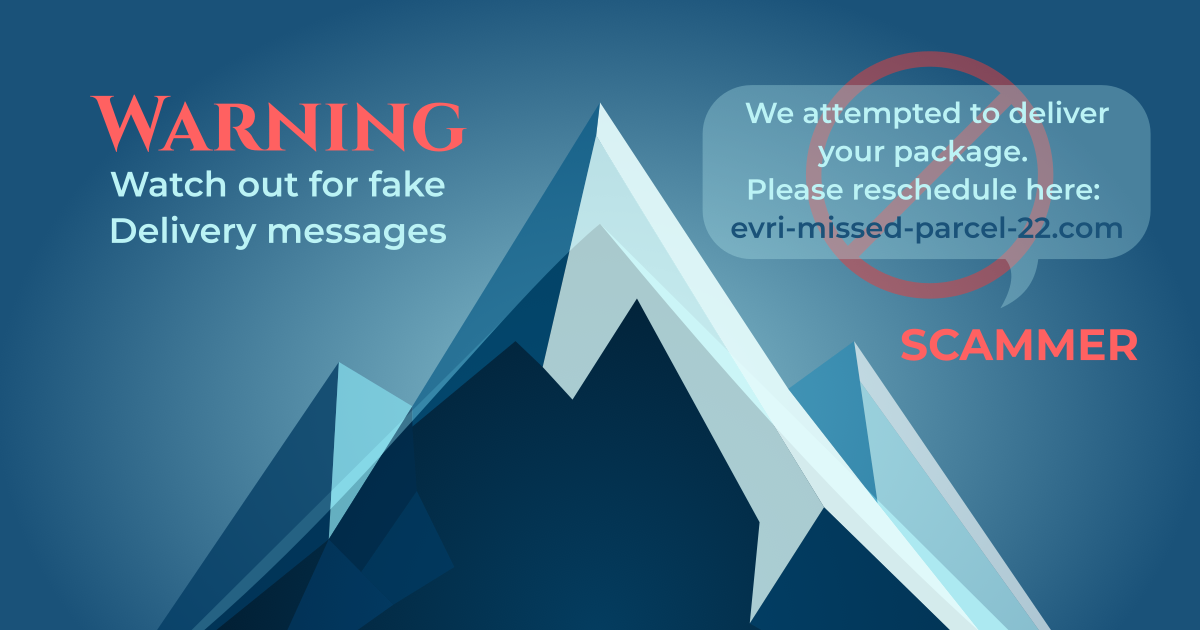
- Fake package delivery scams (e.g., impersonating USPS) - Most reported
- Phony job opportunities (task scams) - Rising trend
- Fake fraud alerts (bank/Amazon impersonation)
- Bogus unpaid toll notices (e.g., SunPass, FasTrak)
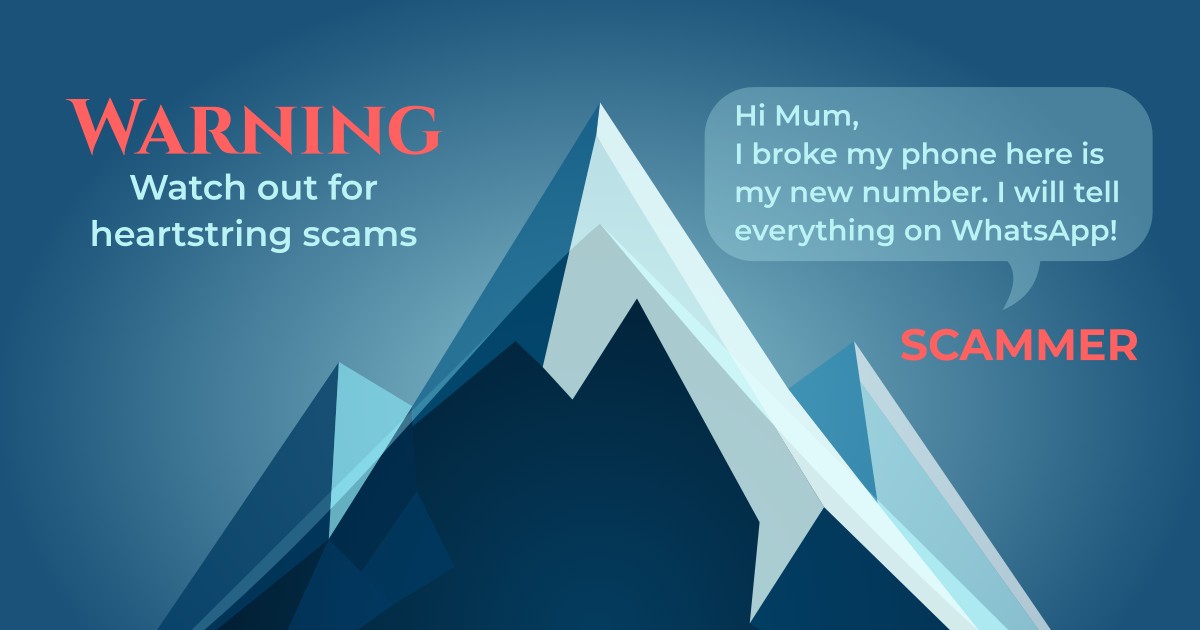
- "Wrong number" romance/investment scams
Trends We're Watching
AI-Generated Scams
Scammers increasingly use AI to personalize attacks and mimic legitimate communications.
Regional Targeting (U.S.)
Scammers use local area codes and time zones to appear credible.
How Montiguard Helps
Our AI filters block spam before it reaches your inbox, potentially saving users thousands in fraud losses annually.
What You Can Do
- Use a spam filter like Montiguard
- Report spam to help improve detection
- Educate others about common tactics
- Stay informed about new threats
Sources:
- Top Text Scams of 2024 (FTC Data Spotlight, April 2025)
- Consumer Sentinel Network Data Book 2024 (FTC)