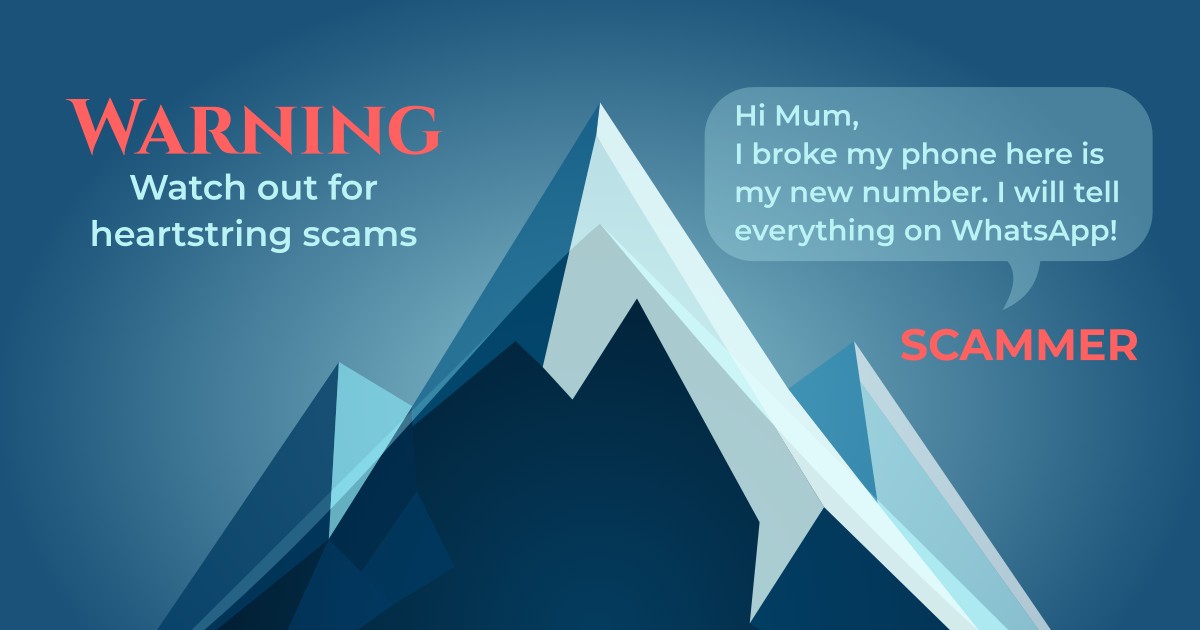
Smishing—a combination of "SMS" and "phishing"—is one of the fastest-growing threats.
What is Smishing?
Smishing uses text messages to trick victims into:
- Revealing personal information
- Clicking malicious links
- Downloading malware
- Making fraudulent payments
Why Smishing is Effective
Higher Trust in SMS
People trust text messages more than emails.
Limited Display Information
Phones show less sender information, making spoofing easier.
Immediate Response
Text messages have a 98% open rate, compared to 20% for emails.
Common Smishing Scenarios
Banking Alerts
"ALERT: Your account has been locked. Click here to verify..."
Delivery Notifications
"FedEx: Your package cannot be delivered. Update preferences..."
Government Impersonation
"IRS: You have a pending tax refund. Claim now..."
How to Protect Yourself
- Never click links in unexpected messages
- Verify independently by calling the organization directly
- Don't reply to suspicious messages
- Report spam by forwarding to 7726 (SPAM) (U.S. only) or reporting to Montiguard support at support@Montiguard.com (optional)
- Use a filter like Montiguard
Conclusion
Smishing attacks are becoming more sophisticated. Stay informed and use the right tools to protect yourself.